
It’s clear that your garage door is one of the heaviest moving objects in your home. Over time, weather, accidents, or regular wear and tear can cause parts of garage doors to dent, crack, bend, or fade. Many people think they need to get a new door when that happens. But that’s not always true.
Garage door emergency repair can often fix both how the door works and how it looks, and it doesn’t cost nearly as much as putting in a whole new door. It’s important to know the steps and when it makes sense to do them.
What Are Garage Door Panels?
Garage Door Panels are the flat pieces that most garage doors are made of. These pieces move along tracks that are hinged together when the door is opened or closed. Depending on the door type, the panels can be steel, metal, wood, fiberglass, or a mix.
Sometimes you don’t have to replace the whole door if one panel is broken. This is because the panels are different parts that fit together. But the age, compatibility, and strength of the building all play a role in which choice is best.
What Does Garage Door Panel Replacement Actually Involve?
If you are trying to get garage door panel replacement done by yourself, it can be quite difficult.
- Evaluation of Damage
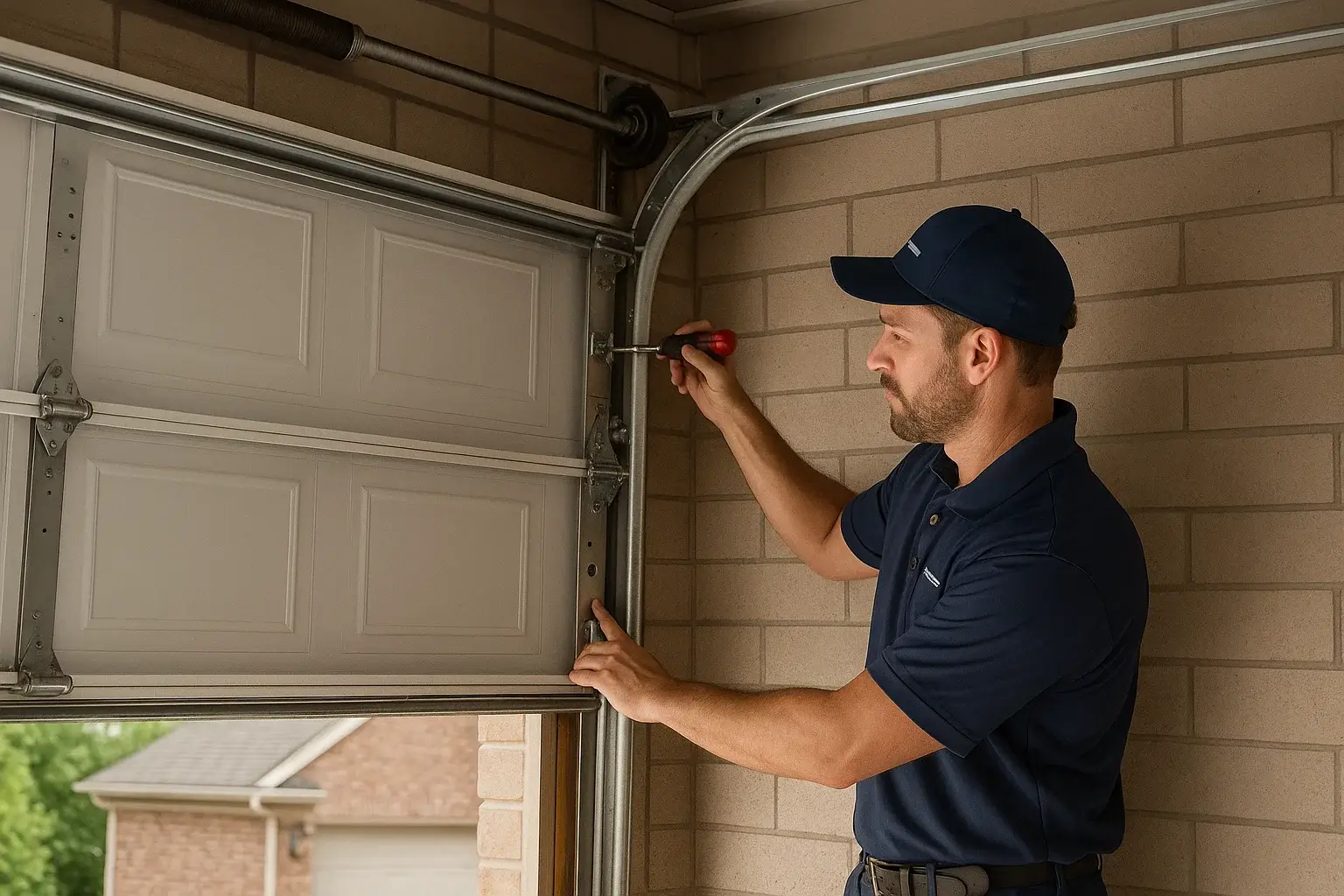
Start by checking the whole garage door system, not just the broken screen. A worker checks the surface for damage like cracks, dents, warping, and rust that could weaken the structure. They look at the track and roller alignment to see if the impact changed the way the door moves.
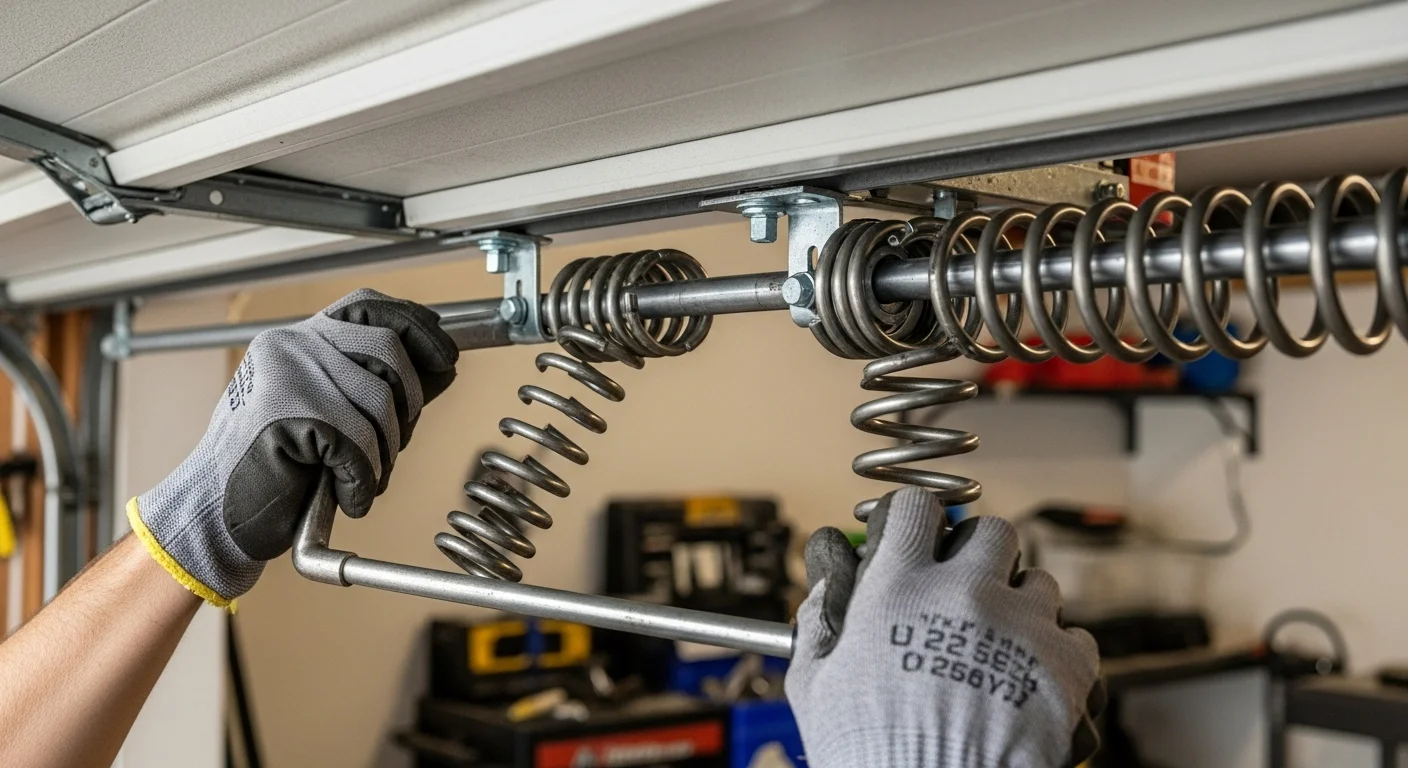
They inspect the hinge, bracket, reinforcement bar, and internal support for hidden damage. The expert ensures the proper operation of the garage door by balancing the cables and torsion or extension springs.
In many cases, a damaged panel may also impact the opener system. If the door has started moving unevenly or straining, a garage opener repair service may be required alongside panel replacement to ensure smooth operation.
- Matching the Panel
One of the hardest parts is finding a garage door panel that fits. There are different styles, sizes, and thicknesses of garage doors. To fit right into the structure, the replacement section has to be the same name and model.
Technicians also look at the type of insulation, the gauge or thickness of the steel or wood, the design patterns of the panels, where the windows will go (if any), and the color or finish. Alignment, energy economy, and curb appeal can all be affected by even small mismatches. It’s hard to find an exact match for a door type that has been taken off the market or has been customized. Due to the cost and difficulty of matching, it may be better to change the whole door.
- Removal of the Damaged Section
After securing a panel that works, the broken part is carefully taken off. Be careful because garage doors have a strong spring force. The expert turns off the automatic opener and either releases or stabilizes the system’s tension to stop it from moving by accident.
Take off the hinges, bolts, brackets, and rollers on the broken panel in a controlled order. At this stage, you have to be very careful not to damage nearby parts or misalign the tracks. Handling this part incorrectly could result in balance issues or stress the remaining panels.
- Garage Door Panels Installation
During installation, the new garage door panel is perfectly lined up with the parts next to it. To keep the structure stable, hinges, brackets, and other parts are reattached and tightened according to the manufacturer’s instructions. When the door is aligned correctly, it stays on its tracks and doesn’t jerk, drag, or strain the opening.
The technician then connects and tries the opener after the job is done. Safety systems must be tested, doors must be balanced, and they must open and close smoothly. Fine changes can be made to maintain the same weight distribution and spring tension. When installed correctly, the garage door system looks excellent, lasts longer, is safer, and works more efficiently.
The system will last longer if the garage door panels installation is done the right way.
When Does Panel Replacement Make Financial Sense?
Garage door panel repair service makes financial sense in some cases. Some reasons include:
- The Door Is Relatively New
Many times, it’s better to change just one or two panels on a garage door that is less than 8–10 years old and still strong.
- Damage Is Isolated
Some panels should be replaced if they have small dents from a bump in the road or rust in one spot.
- The Model Is Still Available
If the company that makes your door still makes it, it is easier and cheaper to get pieces that match.
When Is Full Replacement the Better Option?
It’s possible for new panels to cost almost as much as a whole new door.
If more than one panel is broken, you might want to replace everything.
- The door frame is slanted.
- The tracks and springs are old.
- The style is old-fashioned.
- The energy economy is not good.
If your door is more than 15–20 years old, you might be able to get more energy efficiency, safety, and a higher price when you decide to sell your home.
Cost Comparison: Panel Replacement vs. Full Door Replacement
Costs change based on location and type of material:
- Usually, replacing just one-part costs a lot less than replacing the whole door.
- The price goes up for custom wood or insulated walls.
- Problems with labor and matching can make costs go up.
Many experts recommend replacing the entire system if the panels cost more than half the price of a new door.
Conclusion
Replacing garage door panels isn’t just about making them look better; it’s a technical process that needs to be checked out, matched, and put in place by a professional. When the damage isn’t too severe and the door is still physically sound, replacing the panel is often the best way to save money.
Getting a full replacement may save you money in the long run, though. If your garage door is old, badly broken, or hard to match, you might want to wait.
If you are searching for “garage repair service near me”, then Elite Garage Doors and Gates is your all-in-one solution.