Your garage door is frequently your principal entrance and a heavy piece of machinery that you may not even notice until it malfunctions. But in Arizona’s punishing weather conditions, when temperatures that are high enough to cause lube to evaporate and hardware to swell are a daily occurrence, garage door problems aren’t “if,” but “when” they’ll happen. So, when your door goes wonky, it will be useful for you to know the reasons behind the most common failures, as it may help you determine when to go the route of Do-It-Yourself and when to hire a Garage Door Repair Service.
At Elite Garage Doors & Gates, we prefer to provide you with enough information to help you make the right choice to resolve your problem permanently. That’s why here, we explain the causes of garage door problems.
Garage Door Not Closing or Opening: Electrical and Mechanical Reasons
There are only three main things that you should check if you notice a problem with a door that doesn’t open or close: power, photo eye sensors, or the remote control.
The Photo-Eye Safety Sensors
If your garage door starts to come down and then suddenly goes back up, the sensors (the photo eyes that sit on the ground in the door frame) may be either dirty or not perfectly pointed at each other. These sensors send out a nonvisible beam; a beam is considered a safety hazard if it breaks, which will then not allow a door to close down on the object that breaks the invisible beam.
The Fix: Clean the photo-eyes (sensors) using a microfiber rag, then make sure that both sensors are pointing toward each other. Usually, there are light-emitting diodes on the photo eyes; one of them, when it’s aligned, is on and stable.
Remotes and Wall Button Problems
If the wall button is working but the garage door opener isn’t, you should first change the garage door remote batteries or try syncing the remotes to the unit again. If the wall button is not working either, go to your circuit breaker.
The Fix: Replace remote batteries. If it is not fixed with new remote batteries, call a professional like LiftMaster garage door repair. They will reprogram your garage door opener logic board.
Broken Springs: The Heavy Lifter of the System
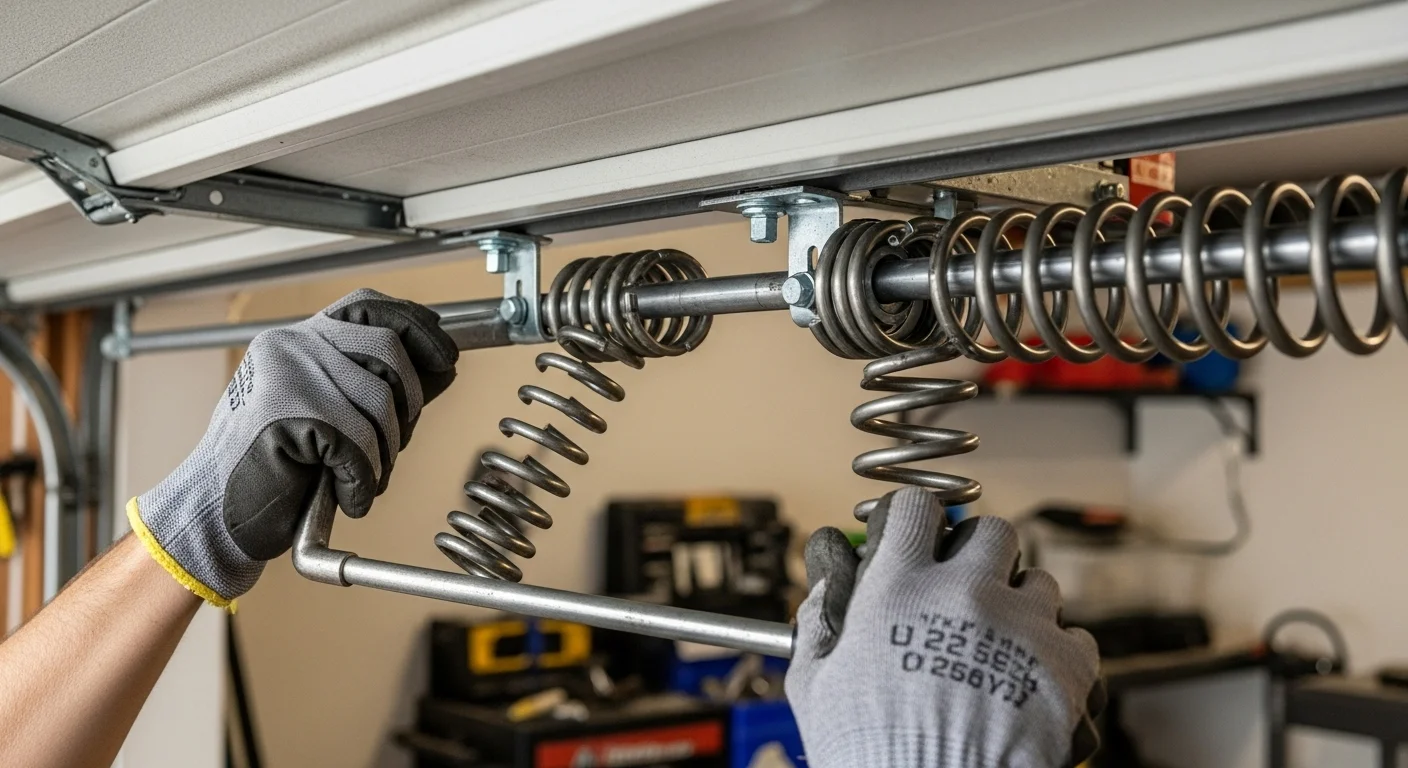
The garage door opener isn’t actually responsible for lifting most of the door. Instead, this duty falls to the springs. Your system either has torsion springs positioned above the door or extension springs mounted along the tracks. No matter which type you have, the springs are under great tension and do have a certain amount of life left.
Identifying a Broken Spring
Is there any sound that you’re familiar with? The loud bang of a gunshot is heard coming from inside the garage, or the door only opens up an inch before the opener begins to whir and stop; these are signs of a broken spring.
- Cause: The constant cycles of use, plus the lack of humidity in Arizona air, make the springs prone to metal fatigue and breakage.
- The Fix: Do not try to replace garage door springs on your own. This can be an incredibly dangerous repair task as they are high-tension components. You will definitely want to reach out to a professional garage door service in Phoenix to help you replace them.
Noises from Your Garage Door: Squeaks, Grinds, and Rattles
Your garage door should run fairly quietly when it operates. When your door sounds like a freight train, it’s warning you there’s a problem.
The squeak is usually from dry rollers or hinges. The grinding noise is often an indication that the tracks (where your rollers ride) are misaligned or your rollers are worn down to the metal base. And when you hear a loud rattle, it means that some of the nuts and bolts that hold the tracks and door panels together are loose.
Fixing Noisy Doors
A simple fix may involve lubricating your garage door. You can use high quality silicone lubricants to fix squeaks and rattles. You can apply it on the rollers, hinges, tracks, etc. You should not use WD-40. It is a degreaser not a lubricant and it may attract dust to the tracks and rollers instead.
Off-Track Doors and Frayed Cables
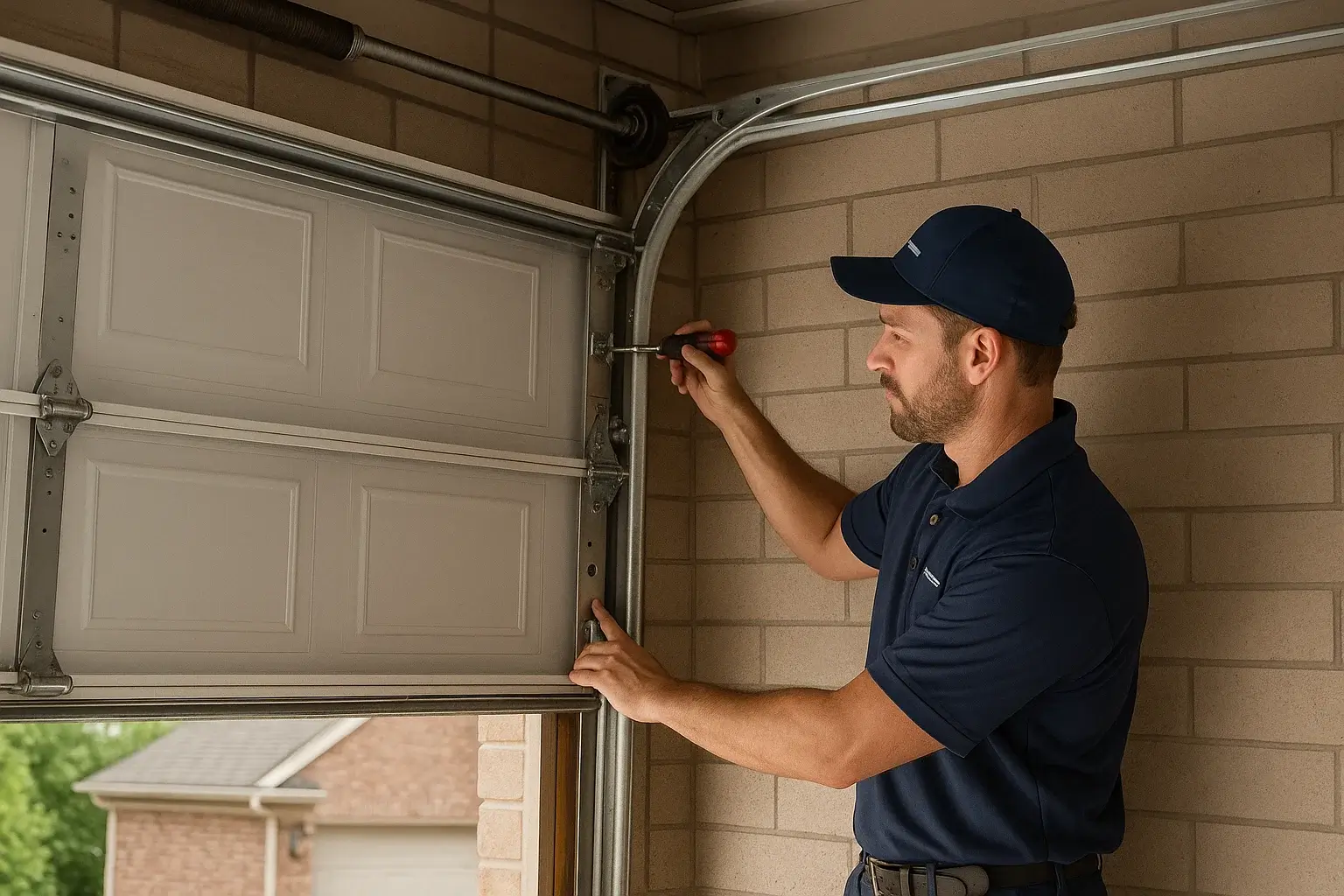
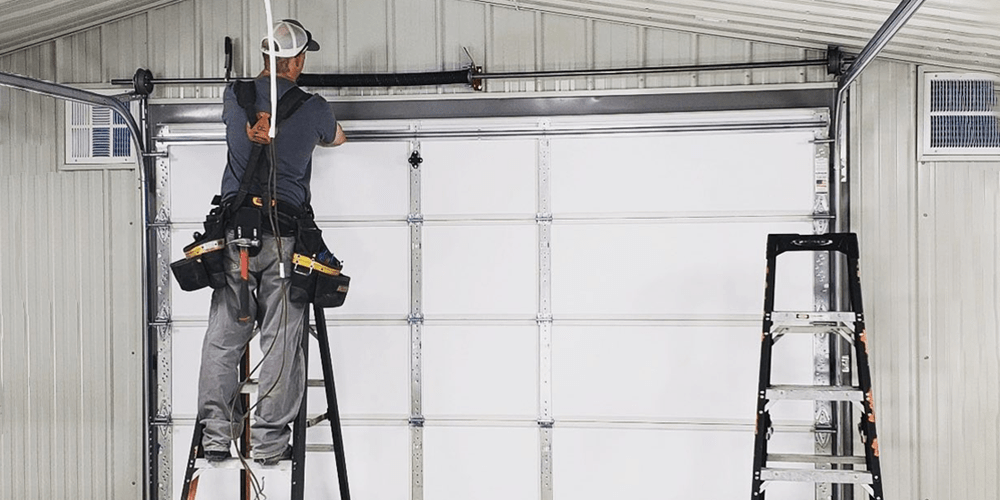
Garage doors that appear off-track or are ‘falling’ out of the tracks are a major hazard. Usually, the result is a snapped cable or one that unspooled from the drum.
- Cause: Frayed cables are common in older garage doors that haven’t had professional safety inspections in years.
- The Fix: If your garage door has come off its track, stop using it at once. Moving the door when it is off-track could bend the tracks beyond repair and could make the door fall! This will require the assistance of Garage Door Repair Professionals to reset the cables and realign both the vertical and horizontal tracks.
When to Consider a New Garage Door Installation?
In some cases, it might not make financial sense to repair a garage door. Especially if you need to replace multiple, worn-out parts, panels, motor, and the spring system. New, modern garage doors have benefits that the old ones don’t:
- Better Insulation: Important in Arizona garage doors to keep the garage and surrounding rooms cooler
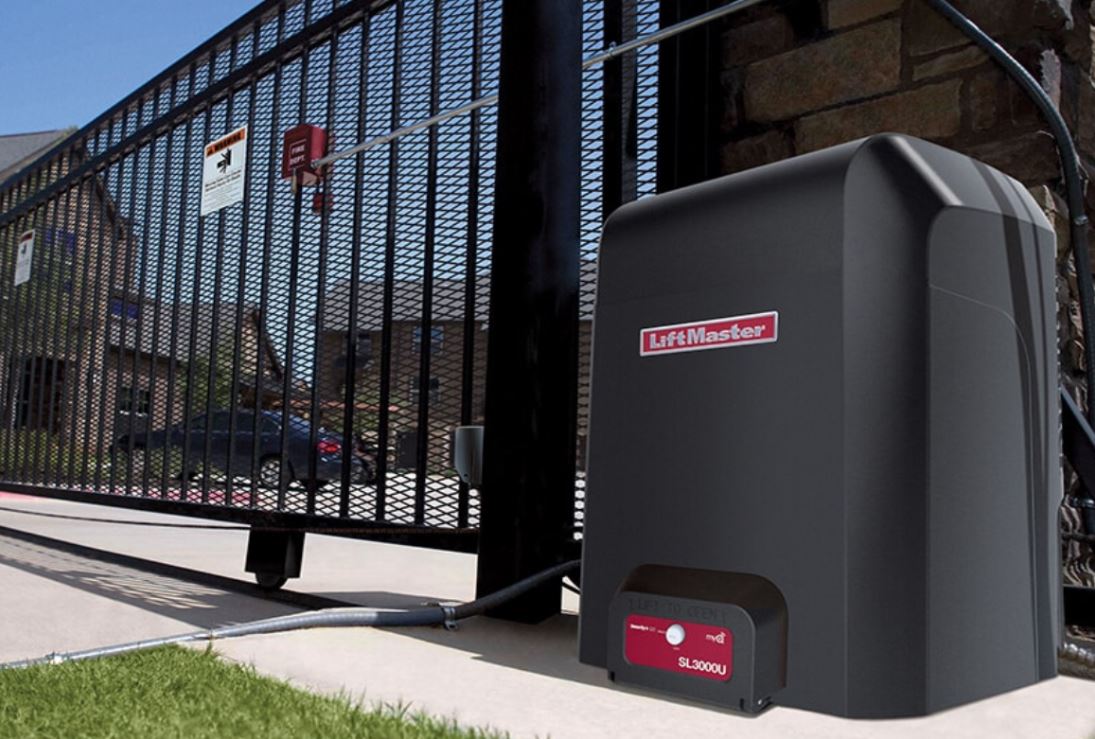
- Intelligent Technology: Newer LiftMaster door systems have smartphone control and monitoring capabilities
- Improved Curb Appeal: Newer doors can offer one of the highest returns on investment value for the home
Rely on Arizona’s Garage Door Specialists
At Elite Garage Doors & Gates, we are committed to honesty and engineering expertise. We offer our services throughout the state, serving areas from Phoenix and Scottsdale to Tucson and Flagstaff. When you contact us, you will reach a live agent who recognizes that a malfunctioning garage door compromises your home’s security and the ease of your daily life.
So whether you need a specific LiftMaster garage door repair, a routine safety check, or a new garage door installation, we’re there to guarantee the work gets done “Elite” all the time.
FAQs:
1. How frequently does my garage door need service?
We propose to have professional maintenance performed no less than once per year. Arizona temperatures can make some parts expand, and lubrication evaporates more quickly than in most other climates. Thus, annual service is critical.
2. Is it possible to swap out just one broken garage door panel?
Yes: As long as your other door is intact structurally, we can usually provide you with a panel that fits. This is a much more affordable alternative than a replacement door if your vehicle happens to hit the door.
3. I opened my garage door, but it won’t shut. What’s the problem?
The vast majority of the time, this is a safety sensor problem. Make sure you don’t have anything (i.e., a broom or a garbage pail) in the way of the sensors. You might also have a light flashing on the sensor, indicating that they have been knocked out of alignment.
4. Why hire a garage door service specialist in Phoenix?
Qualified technicians are trained to deal with high-tension springs as well as the complicated electrical equipment. By hiring an expert, the warranty on your installation will still be valid. And your home will be more secure too.