What if the real difference between a smooth, secure driveway and a daily headache isn’t the gate you choose, but how it’s installed?
Understanding how automatic gates are installed is key. The right plan, parts, and power ensure they work every day. A good installation starts with the gate itself. It needs a strong swing or slide gate and an operator that matches its weight and cycle rate.
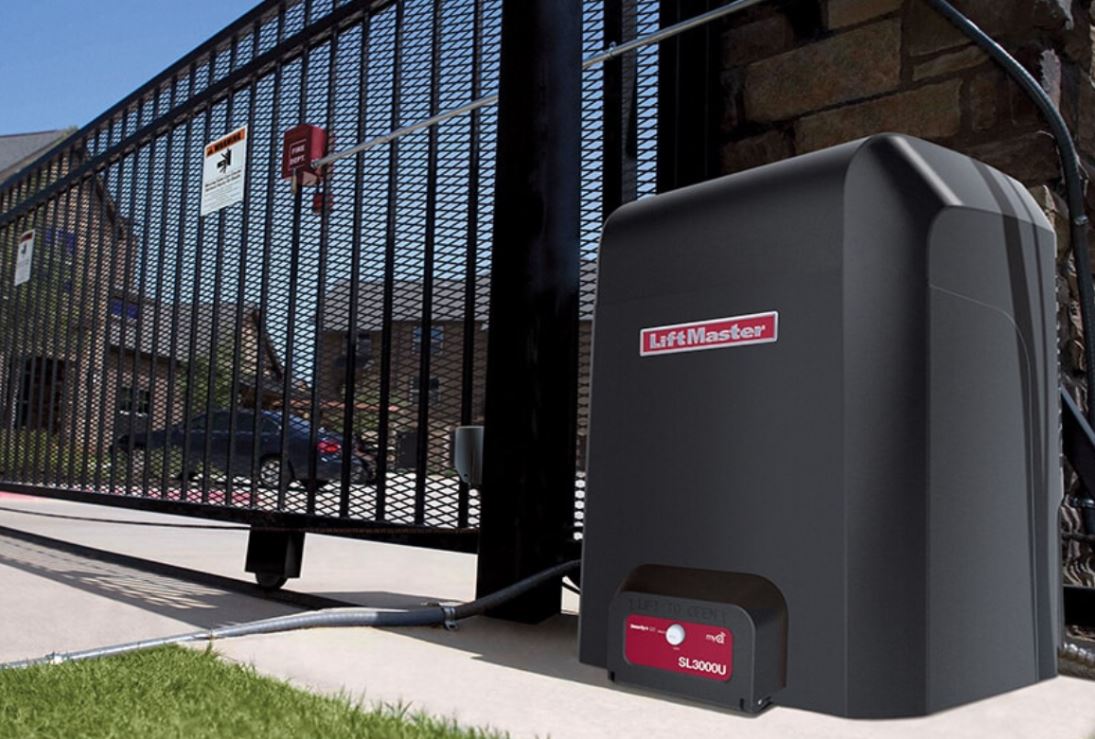
Controls, wiring, and access devices that fit daily use come next. A swing gate uses an operator arm attached to the leaf. A sliding gate has a chain or gear-driven operator that moves along a track.
The motor responds to a signal and travels to set limits. Brands like LiftMaster offer UL 325–compliant operators. Many homeowners look for a professional service that backs parts and labor.
Site and power are important for the job. Steep grades, soft soil, or drainage can change the layout. Line power is preferred for reliability, while solar is good for remote drives with careful sizing and battery backup.
Safety devices like photo beams and contact edges prevent entrapment. They protect vehicles and people. Access control adds security and convenience. Many use a keypad at the entry with a free-exit loop, or remotes, intercoms, and card readers tied into broader systems.
Before pricing, a visit from an automatic gate installer near me checks voltage, conduit paths, and if a dual-swing run needs buried conduit. With these tips, readers can plan confidently and avoid common pitfalls.
Key Takeaways
- A solid, automatable gate and a correctly sized operator are the foundation of performance and safety.
- UL 325–compliant safety gear, including photo beams and contact edges, is essential in the United States.
- Power reliability beats guesswork; line power is preferred, with batteries or manual release for outages.
- Site conditions and grading drive design choices, posts, and conduit routes.
- Access control blends convenience and security, from keypads and remotes to loops and intercoms.
- Brands like LiftMaster and a professional gate installation service can improve reliability and support.
- A local automatic gate installer near me should confirm costs, voltage needs, and operator compatibility before work begins.
Understanding automatic gate systems and components for a successful installation
Every project starts with choosing the gate type. Slide gates roll along a track with a motor and chain in a weatherproof case. They are great for commercial sites with tight spaces.
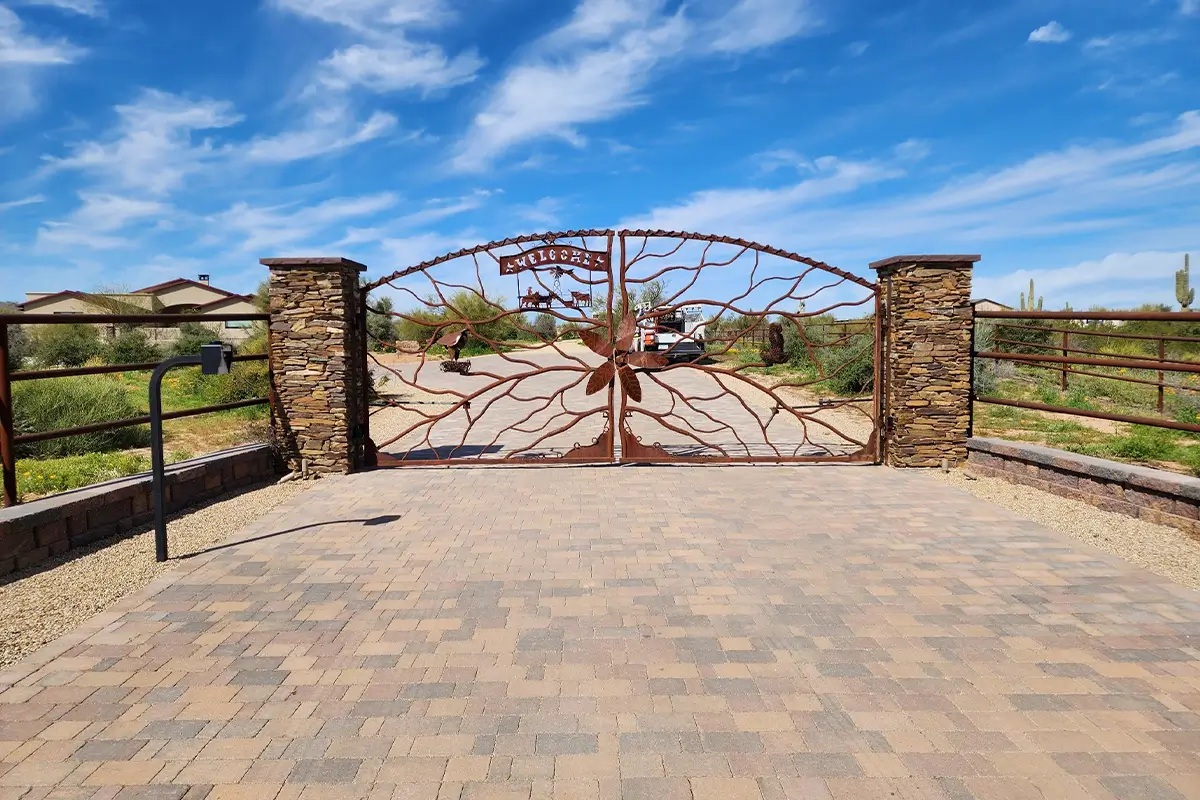
Swing gates open on hinges, either single or double leaves. They use operators mounted on posts or underground. They are popular for their curb appeal in neighborhoods.
Boom gates lift a horizontal arm for lots, garages, and toll lanes. They often come with sensors and ticketing. Folding gates open fast in narrow areas, common in industrial yards.
The operator is the heart of the gate’s motion. It turns electrical power into motion. It must match the gate’s weight, length, and use. Brands like LiftMaster offer various options for different needs, with warranties.
Safety systems are key, following UL 325 in North America. Photoelectric beams stop or reverse when broken. Contact edges react to touch along the leading edge. These systems protect people and property.
Access control shapes how users enter and exit. Keypads, card readers, and remotes handle daily entry. Smartphone controls add remote operation. Intercoms and cameras allow visual checks before opening.
Power keeps everything moving. Most sites need a dedicated circuit and proper grounding. Licensed electricians complete the hookups. Dual swing gates need buried conduit between posts for power and communication.
Site readiness is vital. Posts and footings must suit the gate’s load. Uneven terrain may need grading for clean travel and sensor alignment. A trained eye checks clearances, wind exposure, and drainage before work begins.
Components work as a system. The gate frame, rollers or hinges, operator, control board, safety sensors, and access devices must be compatible. When these parts align, the installation guide becomes a map to reliability. With careful selection and planning, the installation turns into a blueprint for safe daily operation.
How are automatic gates installed?
First, a pre-install check is done to ensure everything is ready. The team looks at the gate’s condition, including its straightness and weight. They also check the area around the gate for any obstacles.
They make sure the power and control systems are set up right. This includes checking the voltage and the path the gate will take. This step is key to understanding the installation process.
Then, the team starts the civil and electrical preparation. They make sure the posts and anchor plates are strong enough. Trenches are dug for the wiring, and an electrician connects everything to a dedicated circuit.
Next, the operator is installed, depending on the gate type. For swing gates, it’s attached to a post. For slide gates, it’s placed beside the track. The wiring is kept safe from water and the system is tested.
Controls and safety features are added last. Photoelectric beams and contact edges are installed. Keypads and cameras are mounted at safe heights. The system is tested to make sure it works right.
Power backup and fail-safes are set up. Batteries are tested to make sure they work during power outages. This ensures the gate keeps working even when the power goes out.
At the end, the team does a final check. They test the gate under normal conditions and make any needed adjustments. Owners get manuals and maintenance tips to keep the gate in good shape.
DIY automatic gate installation vs. professional gate installation service
Some homeowners think they can handle DIY automatic gate installation. They might start with a simple swing gate near power and lights. But, they soon find out they need to deal with grading, concrete, and precise wiring.
Adding solar power makes things even more complex. It involves choosing the right panel and battery size. Without the right knowledge, it’s easy to make mistakes.
Dual-leaf and sliding gates are more challenging. They require buried wiring and precise alignment. Safety features like detectors and photo-eyes must be installed correctly to avoid risks.
Professional gate services offer a detailed site survey and the right equipment sizing. They ensure safe installation and integrate access control systems. This includes keypads, card readers, and intercoms.
Reputable brands like LiftMaster are often used. They offer warranties and labor coverage. This support helps with any issues that may arise.
The cost of automatic gate installation depends on several factors. These include the terrain, distance to power, and the type of gate. DIY might seem cheaper at first, but it can lead to hidden costs.
Choosing between DIY and professional installation depends on the complexity of the project. DIY is suitable for simple swing gates. But, for more complex projects, it’s best to hire a professional.
When looking for an automatic gate installer, check for UL 325 compliance. Look for strong references and clear proposals. A good installer will provide support and practical tips for daily use.
Conclusion
Automatic gates need structure, power, and safety to work well. To install them, you need a strong gate, the right operator, and safety features. Swing gates use motors, while slide gates move on a track.
UL 325 devices like photo eyes and contact edges are key. They stop and reverse when needed. A pro team will set these up and test them.
Getting the site ready is important for smooth operation. Make sure the ground is level and the gate has enough space to move. Deep posts and good conduit planning help too.
For steep drives, you might need longer posts or to grade the ground. Choosing the right power is also critical. The operator must match the voltage and phase. A licensed electrician should handle the wiring.
Solar power is good for remote areas, but grid power with a battery backup is more reliable. This way, you always have access.
Smart access control adds security and convenience. You can use keypads, remotes, or even your phone. Timers and schedules help prevent unauthorized access and noise at night.
The cost of installing automatic gates varies. It depends on the type of gate, the terrain, and the power needed. A pro service can save you time and money, and they often offer warranties from brands like LiftMaster.
Now, you know what to do next. Call an automatic gate installer to check if it’s possible and if it meets safety standards. Discuss the details, like warranties and electrician involvement. Create a simple maintenance plan for your gate. With the right team, your automatic gate will be safe and reliable.
Contact Elite Garage Doors & Gates today for all your garage door needs and services across Arizona!