Key Takeaways
- Replace worn springs now to prevent overloading your garage door opener.
- The high heat, combined with excessive use, can quickly deteriorate worn components.
- Professional garage door inspections can detect problems with the springs before they fail.
Introduction
A significant component of your garage door system is your springs. In simple terms, they hold up the weight of your garage door and give you smooth movement up and down.
When you are a homeowner in Arizona, it can be helpful to know how long your garage door springs will last so you can plan ahead and replace them before they break.
How Long Do Garage Door Springs Last?
The majority of residential garage door springs are made to withstand about 10,000 cycles of opening and closing. That might equate to several years of service, depending on how frequently you use your garage.
A home that opens and shuts its garage door four times a day, for instance, might complete 10,000 cycles in around seven years. There isn’t a set expiration date, though. How long they truly survive can be influenced by a number of factors, including spring quality, door weight, usage, installation, and maintenance.
Does Arizona Weather Affect Spring Lifespan?
Arizona’s extreme summer temperatures can be hard on garage door components. Heat, dust, and repeated temperature changes may contribute to wear over time.
This does not mean every spring will fail early, but Arizona homeowners should pay attention to changes in their garage door performance. Regular inspections can help identify worn parts before they become a bigger problem.
What Indicates a Failing Spring?
Before a garage door spring fails completely, it can warn of its impending failure. A spring stuffed or starting to fail can cause a garage door that was previously opened with ease to now feel very heavy. The door may not open or close to level, and it may open very slowly.
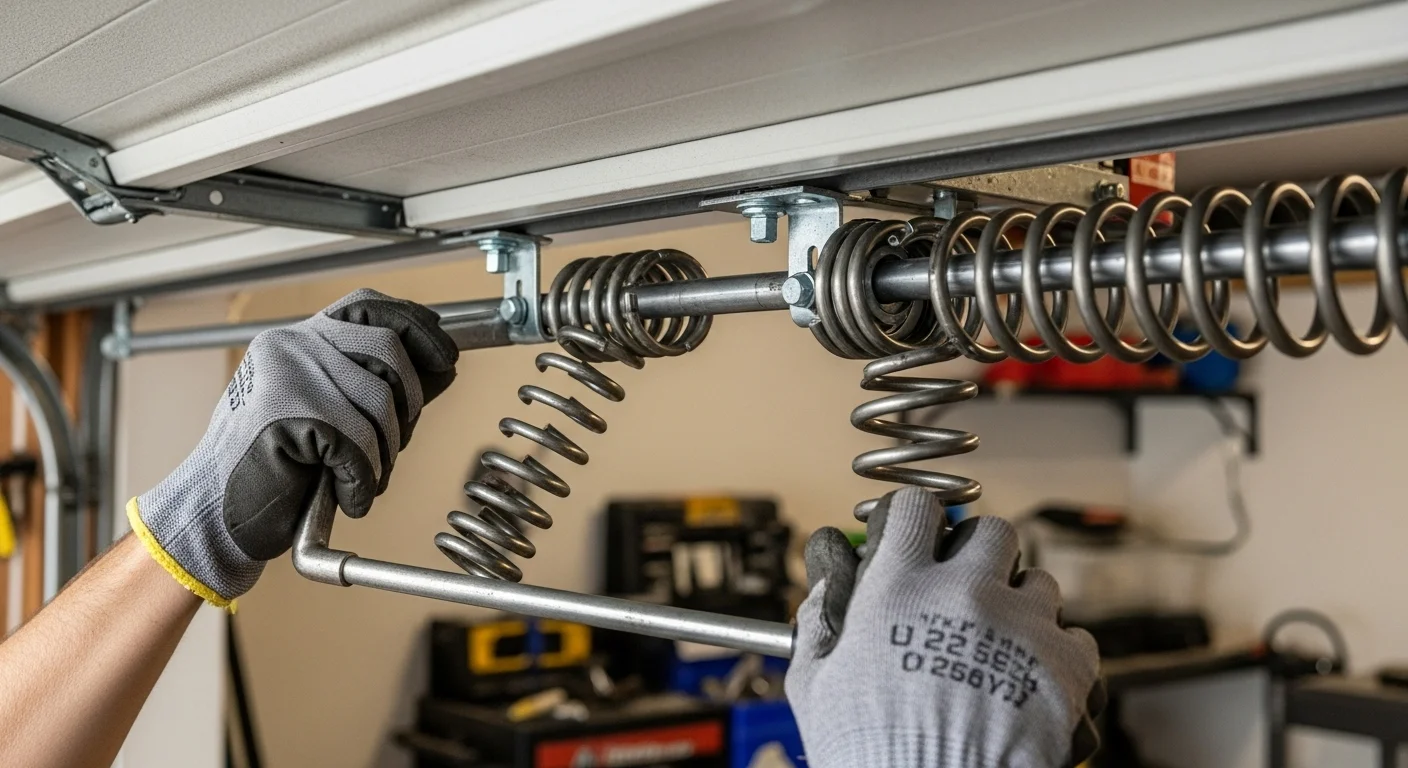
It might be sagging at the top of your garage or showing a gap in a torsion spring. A sagging garage door or a spring with a visible gap are two indicators for an inspection of the spring.
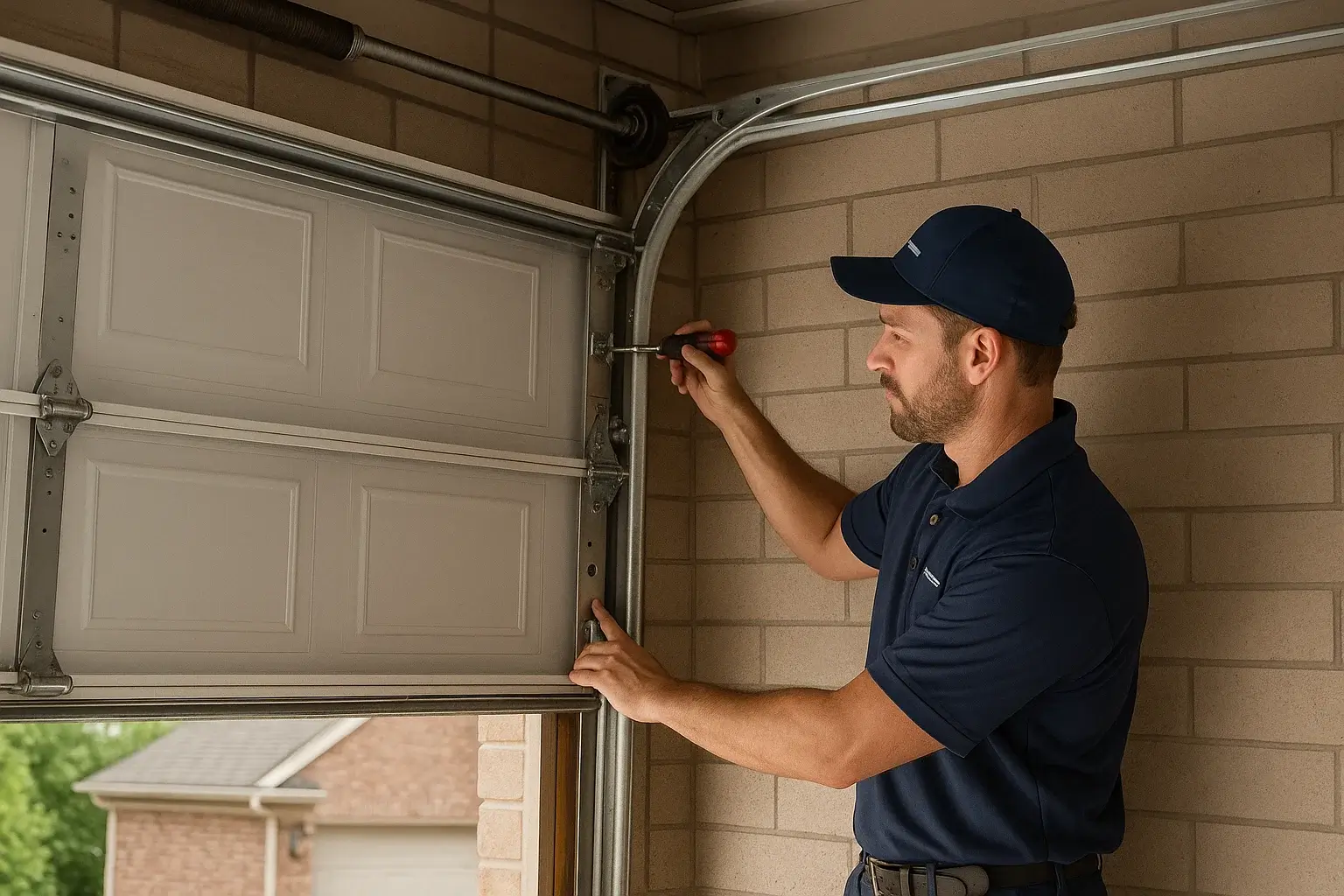
Do not attempt to stretch, remove, or try to change a garage door to spring yourself, as they are under great stress and can cause serious injury. Have a professional garage door repair person inspect your garage door system and advise you as to the repairs needed.
Should Both Garage Door Springs Be Replaced?
Many garage doors use two springs that share the workload. If one spring breaks, the other has often experienced similar wear.
A technician can inspect both springs and recommend whether replacing one or both makes sense. During the inspection, it is also worth checking the cables, rollers, tracks, opener, and overall door balance.
Replacing worn springs can sometimes be all that’s needed instead of investing in a garage door and opener replacement.
When Is Repair Better Than Replacement?
A broken spring does not automatically mean you need a completely new garage door. If your panels, tracks, hardware, and openers are still in good condition, repairing the spring may be the practical solution.
On the other hand, an older system with frequent breakdowns may require a broader evaluation. Comparing ongoing repair costs with garage door and opener replacement can help you understand your long-term options.
If you’re looking for an affordable garage door and opener repair, start with a professional inspection. Knowing the actual cause of the problem can prevent unnecessary repairs.
How Can You Make Your Springs Last Longer?
Don’t Let Spring Break Your Door! Regular maintenance can help prevent spring problems, but unusual sounds, uneven movement, or doors not opening as easily as normal could indicate a problem. Continue using a door that is damaged or feeling unusually heavy, and you could be placing extra pressure on other parts of the door.
Your local, reputable garage repair service can quickly repair and return your door to safe operation should an unexpected spring break occur.
When Should You Consider a New Garage Door System?
It could be time to examine the state of the overall system if your garage door is outdated and needs frequent maintenance. Worn hardware, broken panels, frequent opener failures, and subpar performance might all make further repairs impractical.
A specialist can explain what makes sense for your home and compare your present system with possibilities for replacing your garage door and opener.
Elite Garage Doors & Gates provides garage door spring repair, opener repair, replacement services, same-day service, and 24/7 emergency assistance across Arizona. Its service areas include communities such as Phoenix, Scottsdale, Tucson, and Flagstaff.
FAQs
-
What is the typical lifespan of garage door springs?
The majority of residential springs have a cycle life of around 10,000. Depending on use, that equates to a number of years.
-
Does Arizona heat affect garage door springs?
While the heat, dust, and fluctuations in temperature found in Arizona may cause more rapid wear, routine garage door inspections are still recommended.
-
What are the signs of a failing garage door spring?
A number of warning signs could indicate a problem with garage door springs including: a heavy or unbalanced garage door(s); a door(s) not moving evenly up and down; a visible gap in the coiled spring(s) when in the rest position; or a door(s) not opening or closing properly and requiring excessive effort to move.
-
Should I replace both garage door springs?
Both springs can be worn equally and thus break at about the same time. A careful inspection by a professional can tell you whether or not to replace one or both springs.