The garage door is the most-used moving part of the house. It closes and opens each day. Many people do not think much about the components that make this possible. Two of the most crucial parts are the garage door rollers and the tracks. These parts are said to guide the doors as they make movements. When tracks and rollers wear out, the issue begins quietly. Ignoring the worn-out rollers could severely damage the entire garage door. This blog clearly explains how the rollers and the tracks of the garage doors get worn out, why these parts matter, and how to fix this issue.
Garage Door Tracks and Rollers: What Do They Do?
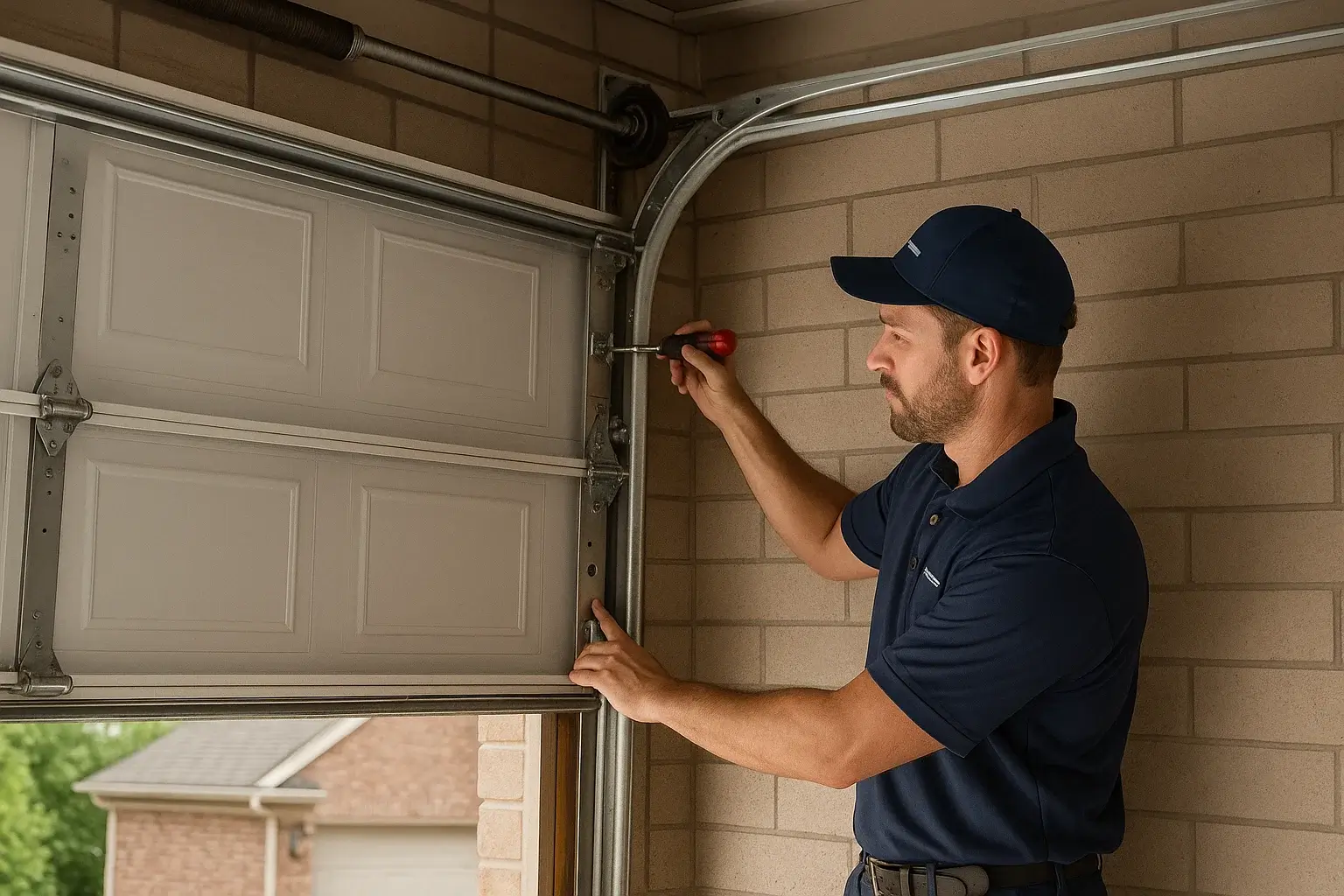
The rollers are small wheels that are connected to the garage door. They are fitted inside the tracks. When the door moves down and up, the rollers help roll these tracks. These tracks are the metal rails that help guide the door. Good tracks and rollers can enable the door to move securely, quietly, and even smoothly. When they start to function well, the springs and openers are not strained. Smooth operation relies heavily on the rollers that roll properly and tracks that are clean and straight.
Over time, the parts start to become worn out. The rollers might lose their bearings on smooth surfaces. The track may bend or become rusted or dirty. When the tracks and rollers wear down, the door no longer moves the way it should. This can put a lot of strain on all the components of the system and can lead to much bigger issues.
How Exactly Do the Rollers Wear Out?
The steel garage door roller can be worn out for several reasons. Every time the door moves, the rollers are said to touch the track. This specific contract can slowly cause wear. Rollers can easily suffer because of the following:
- Debris and dirt are found in the track, which grinds against the bearings and wheels.
- The metal components can also suffer from corrosion and rust.
- Lack of lubrication can increase the friction and make the parts grind rather than roll.
- Wear from use and age.
- Misalignment of the tracks, which pushes the rollers against the track edge and then wears off quickly.
When the rollers wear off, they stop spinning effectively. They might end up developing cracks or flat spots. Worn-out rollers start to drag instead of rolling. Dragging rollers can cause stress and resistance in the entire garage door system.
How Do Tracks Get Worn Out?
Tracks guide the rollers. They should stay straight and firm. But tracks can wear and change over time. Tracks wear out due to the following:
- Loose hardware that lets tracks shift.
- Impact damage, like hitting the track with a vehicle or heavy object.
- Rust and corrosion from moisture or environmental exposure.
- Wear from repeated use, which can slowly bend or warp the metal.
- Rollers drag inside the track, which creates grooves and irregular surfaces.
Even small bends or dents in the track can cause problems. If the track is not straight, the rollers cannot move smoothly. The door may bind, make noise, or stop moving.
What are the Early Warning Signs of Wear?
Wear often starts quietly. You might not notice it at first, but there are warning signs that help catch problems early.
Noise During Operation
If your door used to move quietly but now makes grinding, squeaking, or scraping sounds, that is a sign that the rollers or tracks are wearing. The sound means parts are rubbing instead of rolling smoothly.
Jerky or Uneven Movement
The door should open and close evenly. If it shudders, hesitates, or moves unevenly, worn rollers or track misalignment may be the cause.
Visible Wear or Damage
Rollers with flat spots, cracks, rust, or chips indicate wear. Tracks with bends, dents, or rust also need attention. These signs show parts are no longer in smooth contact.
Frequent Stopping or Binding
If the door stops or binds at certain points during movement, the rollers may not be rolling, or the track may have a rough spot. This resistance causes extra strain.
How Does Wear Damage the Entire System?
Silent wear does not just stay in the rollers or tracks. If you ignore early signs, the damage spreads.
Putting Extra Strain on the Opener
The opener is designed to work with a smooth motion. When rollers drag or tracks bind, the opener must work harder. The motor can wear out faster. Gears inside the opener may fail sooner than expected. The opener may even burn out due to the extra load.
Hinges and Springs Wear Off Faster
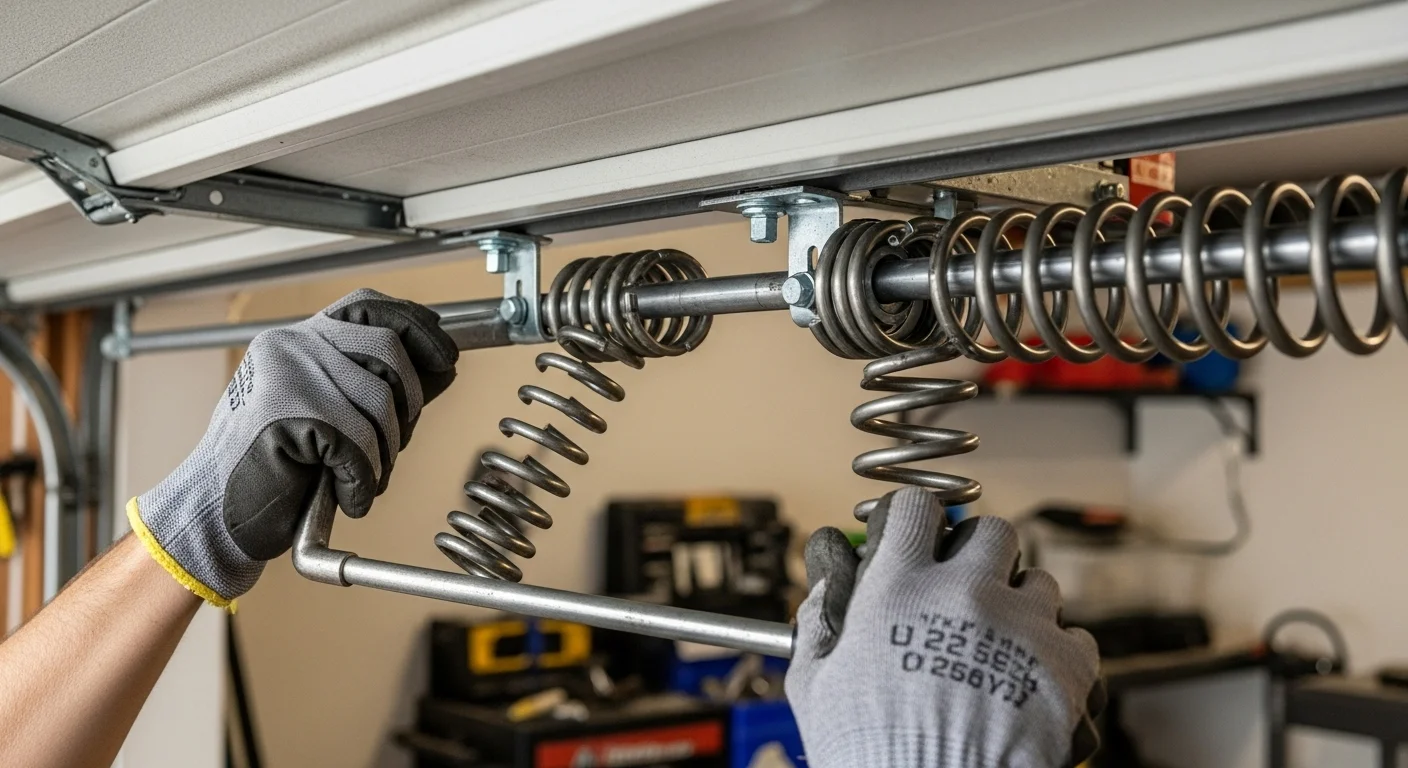
When the door does not move smoothly, tension in the springs and hinges change. Uneven movement puts extra force on springs and cables. This makes springs break earlier, and cables fray or snap. Repairing springs and cables costs more than replacing rollers early.
Tracks Become Worse Over Time
When worn rollers grind inside the track, they dig grooves or deform the metal. A damaged track makes every movement worse. New rollers will not work well in a bad track. Eventually, entire track sections may need replacement.
Conclusion
Worn-out garage door tracks and rollers can damage the entire system. These components help the door move smoothly. When they wear out, they start to make noise, cause binding, and put additional strain on the springs, opener and other components. Overlooking the early signs can lead to a lot more damage and much higher repair expenses. Periodic upkeep and early replacement of these tracks or steel door rollers can keep the garage door operating smoothly and securely. When you start to witness certain signs of wear or need some professional help, you can reach out to the skilled technicians of Elite Garage Doors & Gates. The company is an expert in offering top-tier services when it comes to inspecting, replacing, and repairing the worn-out tracks and rollers. With the correct service, the garage door can continue to work reliably and securely for many years.