
Key Takeaways
- Commercial overhead doors need to be maintained regularly to extend the life of vital components such as tracks, rollers, and springs, while reducing the need for costly commercial overhead door repair services.
- Fixing tiny problems you identify during your regular inspections is usually less expensive than fixing big issues that damage your business operations.
- Regular safety checks, alignment checks, and lubrication will help improve performance and reduce the chances of unexpected breakdowns.
- In the long run, businesses that service their overhead doors regularly tend to have less disruption to their operation and cheaper maintenance costs.
- If a company does not undertake regular maintenance, it could be paying for expensive new garage doors in Phoenix before very long.
Most businesses have one of the most hard-working systems, a commercial overhead door. Whether a warehouse, distribution center, repair shop or retail operation, unexpected door failures can be disruptive to productivity, delay deliveries and present safety concerns. Routine maintenance can prevent these problems and increase the longevity of the complete door system.
Why Is Regular Maintenance Important for a Commercial Overhead Door?
Regular maintenance is vital because it allows you to catch wear and tear before it becomes costly damage. A well-maintained Commercial Overhead Door will run more smoothly, break down less often, and be more reliable for a longer period.
Commercial doors are opened and closed dozens of times a day. This continual movement is stressful to springs, rollers, hinges, tracks, cables, and openers. Without regular maintenance, these parts slowly wear down and finally fail.
Many facility managers follow one maintenance principle: “Inspect, Lubricate, Test.” If you do these three things on a regular basis, you can avoid many of the most typical problems with overhead doors.
Why to inspect Components Before Small Problems Grow
Routine inspections enable early detection of problems when fixes are generally easier and less expensive. If untreated, little damage can become a snowball.
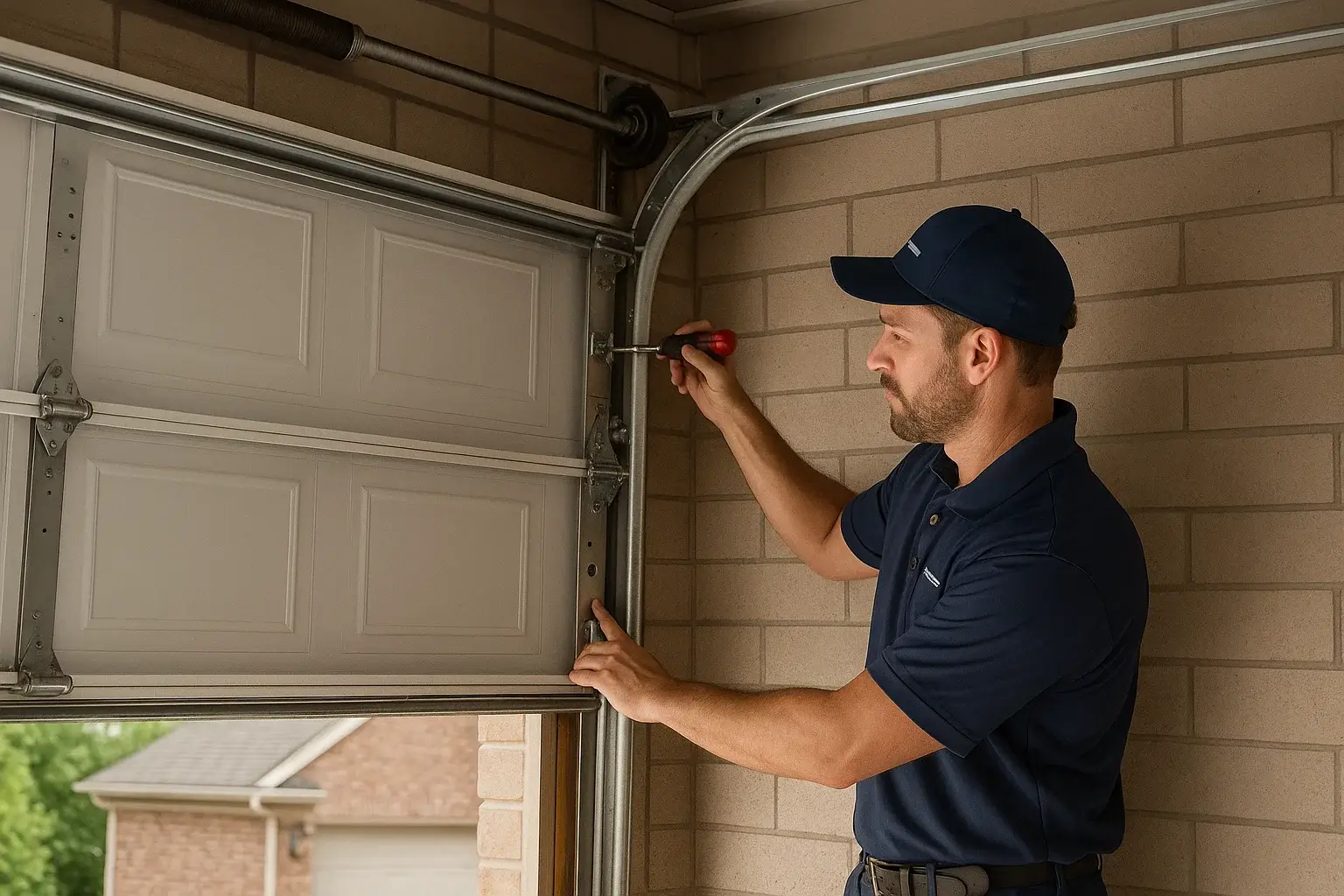
Areas that should be inspected regularly:
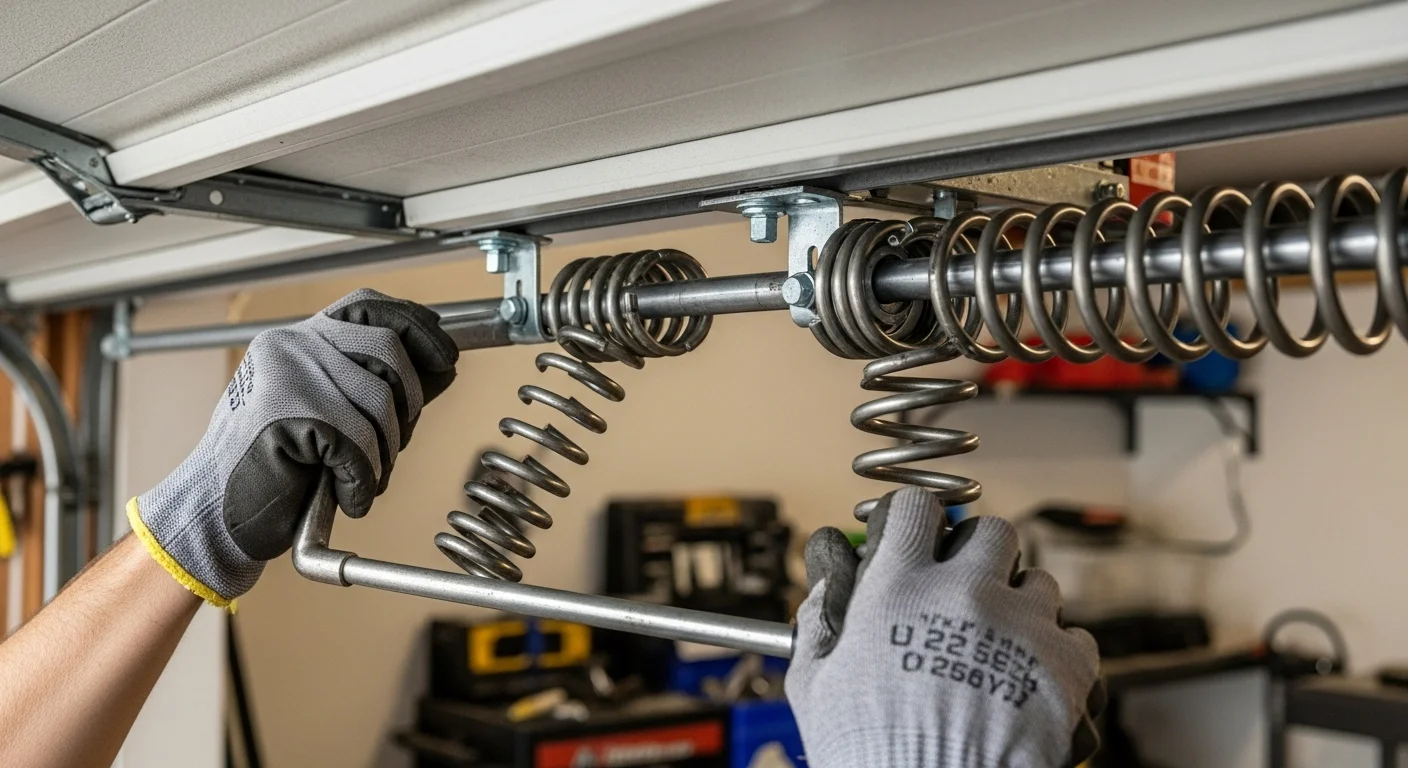
- Springs
- Rollers
- Hinges
- Cables
- Tracks
- Weather seals
- Door panels
During inspections, watch for odd sounds, rust, loose hardware, frayed cables, or indicators of misalignment.
One of the most neglected problems in many commercial facilities is slight rail misalignment. It may create little vibration at initially. But over time it can put extra strain on several components and speed up wear across the system.
How Lubrication Reduces Wear on Moving Parts
Lubricating reduces friction between moving parts. This helps the door move more smoothly. Good lubrication will greatly reduce wear and extend the life of critical parts.
Parts that usually need to be lubricated:
- Rollers
- Hinges
- Bearings
- Springs
- Pivot points
When the machine is running, the metal parts rub against each other and grind. No lubrication. This adds resistance, produces noise, and speeds of deterioration.
Adhering to the manufacturer’s maintenance guidelines will ensure the right products are applied in the right spots.
In our experience servicing commercial overhead doors across Arizona, lack of lubrication and neglected track maintenance are the two most common causes of premature component failure.
How Keep Tracks Clean and Properly Aligned
It is important to align the track, so the door operates smoothly. “Proper alignment of tracks is critical to the safe and efficient operation of a commercial overhead door.
Dirt, debris, and incidental hits can have an effect on track performance. Bent or misaligned tracks may cause the door to operate unevenly or put undue stress on the opener.
Signs of track difficulties are:
- Jerky movement
- Excessive vibration
- Unusual noises
- Uneven closing
- Visible gaps along the track
Regular cleaning and inspections assist maintaining track in working order and preventing the chance of more serious mechanical problems.
Test Safety Features Regularly
Safety systems safeguard personnel, consumers, vehicles, and equipment. Testing these features often helps ensure they work properly when you need them.
Important safety features include:
- Photo-eye sensors
- Auto-reverse mechanisms
- Emergency release systems
- Safety edges
A faulty safety feature might result in liability issues and a greater chance of workplace accidents. Regular testing can help discover abnormalities before they become significant concerns.
Reduce Long-Term Costs Through Preventive Maintenance
Preventive maintenance reduces emergency repairs and extends equipment life helping to minimize overall ownership expenses. Keeping their doors open proactively can help minimize costly downtime.
Too soon replacing important components might be costly. Sometimes, owners ignore maintenance so much that they think new garage doors phoenix businesses might not need it for several more years.
By solving smaller problems early, companies can often maximize their existing door systems.
Commercial overhead doors typically last 15–30 years when properly maintained, depending on usage and environment

When Should You Consider Replacement Instead?
Regular maintenance will help keep commercial doors in good operating condition for longer, but eventually, even the most robust systems can fail. If repair becomes a frequent need or if operating costs continue to increase, replacement may be the best option.
Signs that it may be due for replacement include:
- Consistent failures
- Damage to the structure
- Excessive power drain
- Deprecated security measures
- Extreme corrosion or rusting
When choosing garage doors for their commercial properties, Phoenix enterprises should consider the long-term benefits of a better, more efficient system versus the short-term costs of repairs.
Frequently Asked Questions
How often should a Commercial Overhead Door be serviced?
Most commercial overhead doors should be professionally inspected at least once or twice a year. Facilities with high daily usage may require more frequent maintenance.
What is the most common cause of overhead door failure?
Lack of maintenance is one of the most common causes. Worn springs, damaged rollers, and track issues often develop when routine inspections are neglected.
Can maintenance really extend the life of a Commercial Overhead Door?
Yes. Regular inspections, lubrication, and safety testing help reduce wear on critical components and can significantly increase the door lifespan.
When should I consider new garage doors phoenix businesses often install?
Replacement should be considered when repair costs become excessive; breakdowns occur frequently, or the system no longer meets operational or safety requirements.
Are garage doors phoenix businesses use different from residential doors?
Yes. Commercial overhead doors are typically larger, heavier, and designed to withstand much higher usage cycles than residential garage doors.
Final Thoughts
Regular maintenance is one of the most effective ways to protect your investment in a Commercial Overhead Door. By inspecting components, lubricating moving parts, testing safety systems, and addressing small issues early, businesses can improve reliability and reduce long-term costs.
A proactive maintenance strategy not only extends equipment life but also helps prevent unexpected disruptions. Before considering expensive replacements or investing in new garage doors phoenix facilities often requires, make sure your current system is receiving the maintenance it needs to perform at its best.