In most parts of the country, winter is the season when garage door problems are expected. Freezing temperatures, snow, and ice can damage springs and tracks. But in Phoenix, things work a little differently.
Local garage door technicians typically see a noticeable rise in service calls. during the month of February.
Why? February, which brings mild winter weather by Phoenix standards, often becomes the peak time for garage door repairs across the city.
The situation arises from multiple factors that combine to create the present condition. Over time, temperature fluctuations, heavy usage, and normal mechanical wear begin causing operational problems.
Understanding why this happens can help homeowners address problems early and avoid more serious repairs later.
Desert Temperature Swings Put Stress on Garage Door Components
Even though Phoenix winters are considered mild, daily temperature changes can still affect garage door systems.
The outdoor temperature during winter nights reaches its lowest point when it drops to 40 degrees Fahrenheit. The desert sun reaches its peak strength during midday hours, which results in air temperatures rising to 70 degrees Fahrenheit.
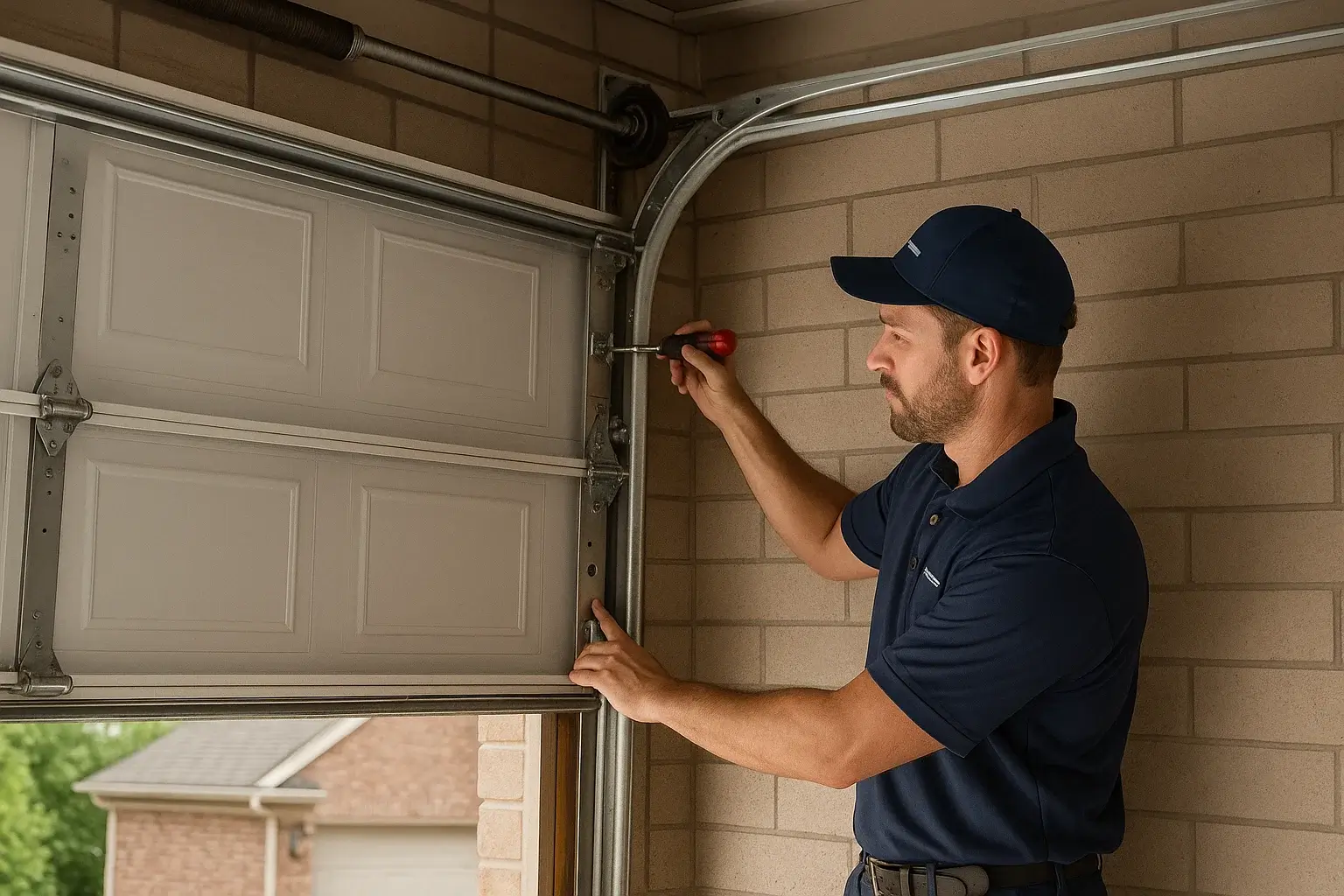
The continuous temperature changes lead to metal parts, including springs, hinges, and tracks, experiencing expansion and contraction. The arrival of February brings technicians who discover problems that developed from this gradual stress. It includes:
- Loose or misaligned tracks caused by repeated metal expansion and contraction
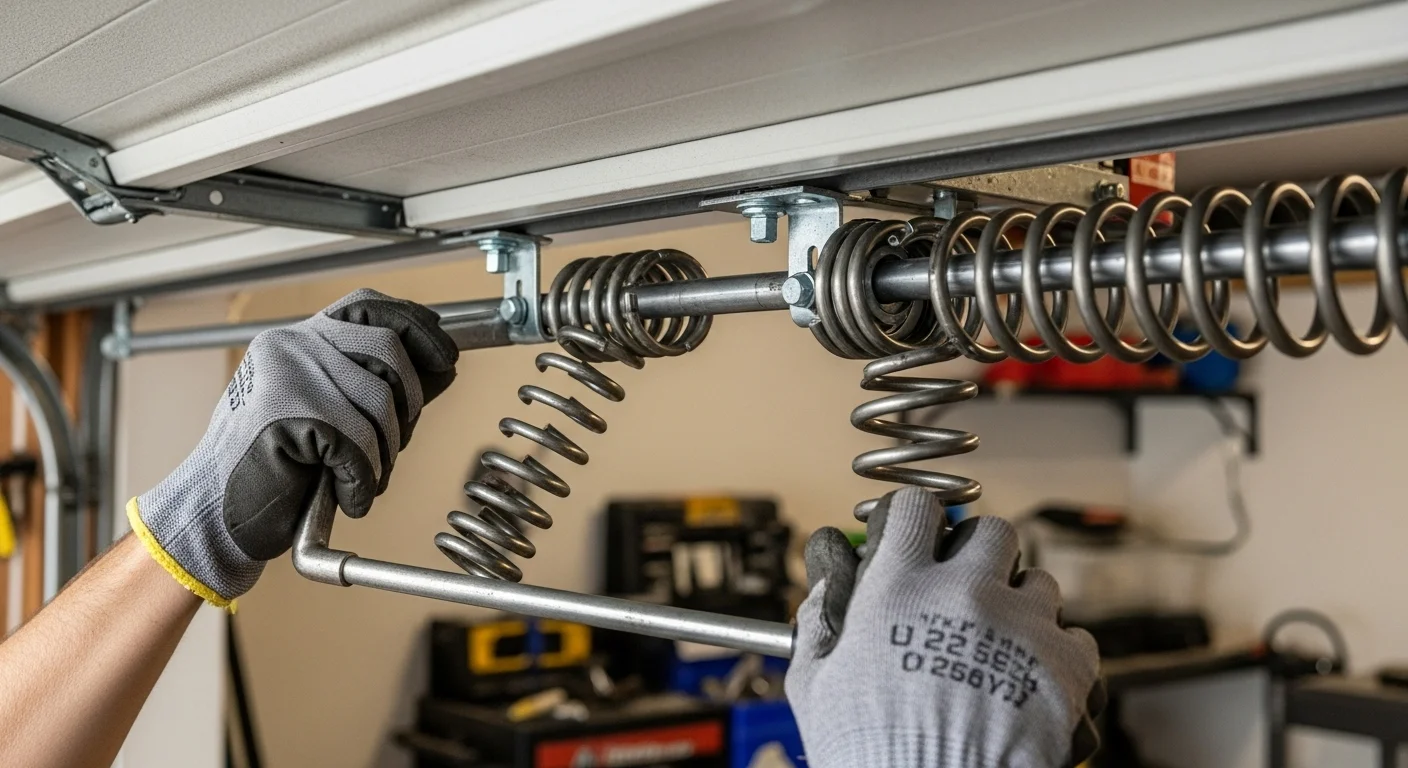
- Worn torsion springs that have lost some of their tension after months of use
- Dry or stiff rollers that begin producing grinding or squeaking noises
- Hardware that slowly loosens, affecting the door’s overall balance
While these issues may not appear suddenly, they often become noticeable by late winter. This is one of the primary reasons calls for garage door repair in Phoenix increase during February.
Increased Winter Activity Means More Door Cycles
Another major factor behind the February repair spike is simple usage.
Phoenix residents tend to spend more time outdoors during winter because the weather is comfortable. Families travel during the holidays and enjoy outdoor activities that are difficult during the extreme summer heat.
That means garage doors open and close far more often between December and February.
Garage door systems are designed to handle frequent cycles, but every component has a lifespan. When usage increases, worn parts begin to show signs of failure.
Technicians commonly find that winter usage leads to:
- Rollers are wearing out faster due to repeated movement along the track.
- Springs are losing tension after thousands of opening cycles.
- Hinges and brackets are loosening with constant door movement.
- Increased strain on older garage door opener motors
By February, the cumulative effect of several months of heavy use often leads homeowners to schedule garage door repair in Phoenix.
Aging Garage Door Openers Start Showing Problems
Garage door openers typically last between 10 and 15 years, depending on maintenance and usage. The systems start to show performance issues when they reach their designated lifespan. The February period presents technicians with garage doors that function properly but suffer from unreliable operation because of their outdated opener systems.
Homeowners may notice several warning signs:
- The opener motor runs longer than usual.
- Remote controls respond slowly or inconsistently.
- The door stops halfway during operation.
- Safety sensors trigger unexpectedly.
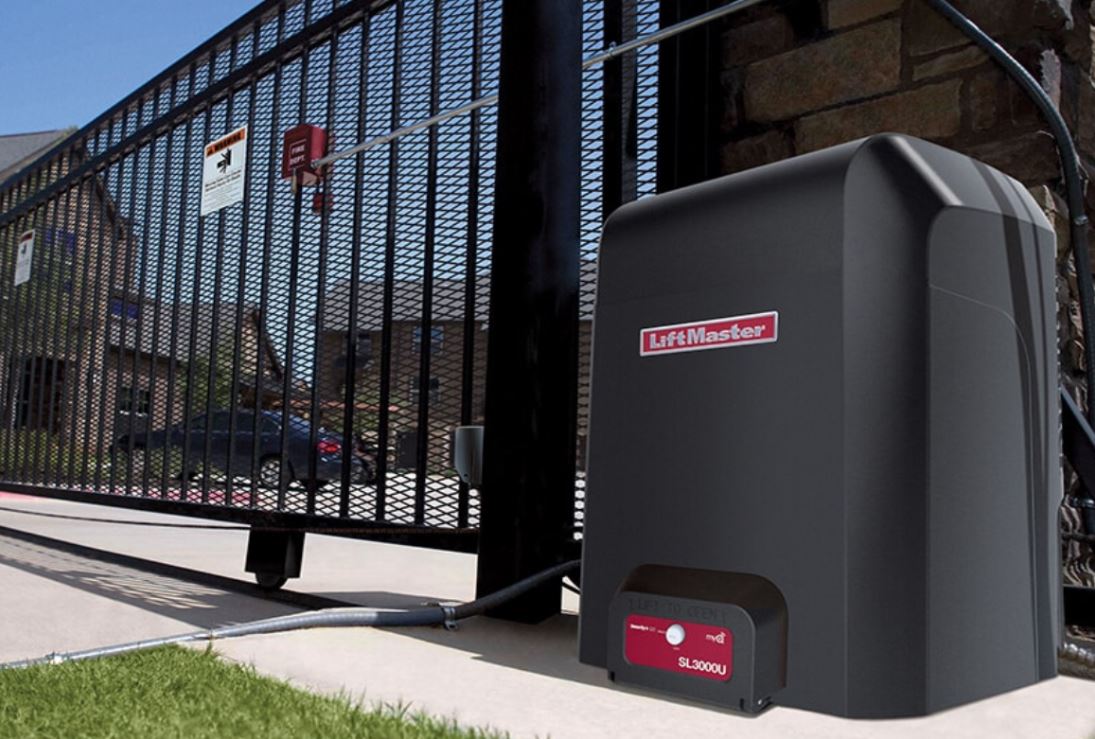
The problems can be fixed in some cases, but the most effective solution requires a door opener replacement Phoenix service. The modern opener systems provide customers with silent operation through their energy-efficient design and advanced safety features.
The system needs an upgrade before summer because it will help prevent overheating problems, which usually affect older motors during Phoenix’s extreme heat.
Dust and Debris Accumulate Throughout the Winter
Living in a desert climate means dealing with fine dust year-round. Over time, that dust gradually settles inside garage door tracks, rollers, and opener components.
The door system may function normally for months until accumulated dust and debris eventually begin interfering with its movement. February, which brings mild winter weather in Phoenix, often becomes the busiest month for garage door repairs across the city.
Dust-related problems typically include:
- Rollers are struggling to glide smoothly along tracks.
- Debris is creating friction that strains the opener motor.
- Sensors are becoming partially blocked by dirt buildup.
- Noisy operation caused by dry, contaminated hardware
Regular maintenance work can eliminate these barriers, which would otherwise lead to equipment breakdowns. Homeowners typically find out about the problem when their system starts producing strange noises and operates in an irregular manner, which results in them calling for garage door repair services.
February Is the Ideal Time for Preventive Maintenance
During February, technicians receive increased repair requests because homeowners begin their home preparations for the upcoming months.
Phoenix summers create extreme operational challenges for all mechanical systems. Garage doors and openers must function properly in environments that constantly reach temperatures above 110°F. The door system will experience worsening problems because of existing minor issues that already exist during the wintertime.
Professional inspections in February typically include:
- Checking spring tension and door balance
- Inspecting rollers, hinges, and tracks for wear
- Testing the opener motor performance
- Cleaning debris from tracks and sensors
- Lubricating all moving components
During these inspections, technicians may also recommend upgrading to a newer garage door opener Phoenix system if the current unit is aging or struggling.
Preventative maintenance performed in February often prevents emergency breakdowns during the hottest months of the year.
Warning Signs That Shouldn’t Be Ignored
Garage door systems rarely fail without warning. In many cases, homeowners notice small performance changes weeks before a major breakdown occurs.
Phoenix homeowners should watch for the following signs:
- Grinding or squeaking sounds during operation
- Slower opening or closing speeds
- The door stopped halfway unexpectedly.
- Increased vibration when the door moves
- Remote controls are working inconsistently.
- The door appears uneven when closing.
These symptoms usually indicate mechanical wear, alignment issues, or opener problems that require professional attention.
Ignoring them can lead to more expensive repairs later, especially when summer heat adds additional strain to the system.
Final Thoughts
By the time February arrives in Phoenix, several months of winter usage, temperature fluctuations, and environmental conditions have already affected garage door systems.
The operational problems started to develop from the initial wintertime disturbances, which began as minor issues. The system experiences hardware failures because springs lose strength, rollers lose their function, and opener motors face excessive operational demands.
Homeowners in Phoenix hire professional garage door repair services during February to fix their doors and prepare their systems for the upcoming summer season.
Addressing these problems early not only improves safety but also extends the lifespan of the entire garage door system. For Phoenix homeowners, February often becomes the perfect time to resolve issues before they turn into costly breakdowns later in the year.