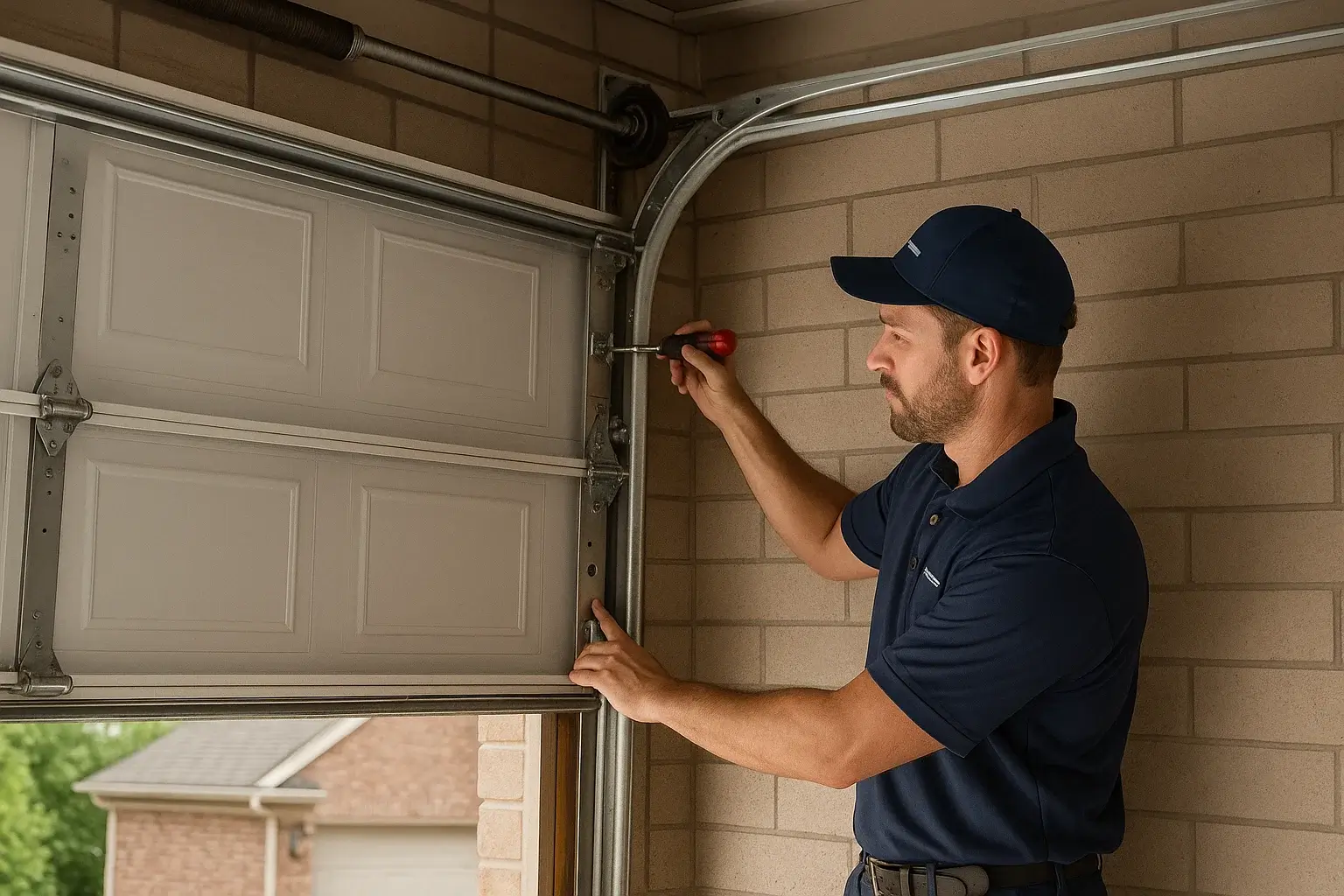
Upgrading your home with a new garage door is a major improvement, and one of the most significant benefits is selecting the best new option for you. The right garage door adds curb appeal to your home, increases your home security, and improves your energy efficiency. When shopping around for your new door and garage door installation service, your biggest decision is between an insulated and a non-insulated model.
Though a non-insulated garage door may seem like an inexpensive option, your area has a lot to do with how your garage operates. If you live in a hot desert area or a cool high-country climate, it is important to know the differences between insulated and non-insulated doors before you schedule a garage door installation.
The Differences in How Doors Are Made
To know the best garage doors for your home, it helps to understand how they are made.
Non-Insulated Garage Doors: One Layer of Steel
Non-insulated garage doors are made of a single layer of steel with an exposed metal framework. The back of these doors is open, so you can see the steel that makes up the garage door from the inside of your garage. Non-insulated garage doors are relatively lightweight and cheap, but they do not provide insulation. Steel is an effective heat conductor, which is why a non-insulated garage door can make heat from the outside enter your home more easily.
Insulated Sectional Garage Doors: Multiple Layers
Insulated sectional garage doors are built with multiple layers and filled with some type of insulation material. These doors can be made with any type of steel and are usually made of durable steel or composite vinyl panels. These doors come with either of two insulation materials:
- Polystyrene: Rigid foam boards that are inserted into the garage doors. This type of insulation offers excellent heat protection, though it is not as durable as some insulation options.
- Polyurethane: A thick foam injected into the garage door, which expands to fill the internal sections. This type of insulation is more energy efficient and stronger than polystyrene.
Keep Climate Controlled and Garage Door Insulated in Arizona
When you live somewhere with blisteringly hot summers, your garage is basically a kiln. And if your garage is attached to your house, and climate control is left out of the picture, your home will feel the heat, too.
Beat Back the Fierce Desert Heat
During peak summer, an uninsulated garage can easily climb over 120 degrees. And as most attached garages share interior walls with laundry rooms, kitchens, or bedrooms upstairs, the heat radiates into your home via the drywall. As a result, you are paying more in cooling costs as you run the AC more frequently. Garage door insulation Arizona homeowners use as a buffer to maintain a cooler garage space, saving on their household expenses.
Preserve Your Possessions and Your Cars
Garages aren’t only for cars; they can also be the storage space for many temperature-sensitive items, such as power tools, paints, extra appliances, and electronic items. The heat can damage your car batteries, ruin your stored items, and harm your vehicle’s seals. An insulated door keeps your garage area at a comfortable temperature, safeguarding your possessions and your cars from the scorching desert heat.
Built Stronger, More Secure, and Quieter
The advantages of multi-layered garage door insulation are more than just energy-efficiency gains. An insulated garage door also makes your garage door a stronger barrier, year after year of usage.
Resists Dents and Dings in the Door
Because single-layer non-insulated doors have a gap behind the outside panel, these doors are very prone to dents. A stray basketball, a bump from the lawnmower, or even gusty winds can cause damage to your garage door. An insulated garage door is packed with either polyurethane or polystyrene foam. This dense core gives the door additional strength to withstand dings, dents, and bumps.
Quiet Operation
Single-layer steel doors can clank, thud, and even shake as it moves along their tracks. That can be annoying, especially if your bedroom sits above or next to your garage. Insulated sectional models, however, have a dampening property; the foam within the door dampens the vibrations while in use, which means your garage door will open and close more quietly.
Making the Smart Investment for Your Property
A standard, non-insulated garage door may be a reasonable solution for freestanding or standalone carports, or simple tool sheds where temperature control is not a concern. However, if you have an attached garage, you almost always need a door upgrade to an insulated model. Although the upfront investment for a high-quality, properly insulated door is higher, the resulting benefit to your heating and cooling system, improved security, and noise reduction are almost always worth the added cost.
Conclusion: Arizona’s Best Garage Experts Are Here to Help
The choice that is best for you depends on the architectural style of your home and the aesthetic, performance, and energy efficiency requirements of your specific neighborhood. The most critical factor for a garage door choice is how well the selected system will serve you over time.
When you decide to upgrade, contact Elite Garage Doors & Gates to have the work performed. As an established, professional contractor serving communities throughout the State of Arizona, from Phoenix to Prescott to Tucson to Flagstaff to Scottsdale and everywhere in between, Elite Garage Doors & Gates has the experience you can trust to properly complete garage door spring repair, garage door opener repair, and the garage door insulation Arizona homeowners need.
To obtain your free estimate and schedule service at a time to suit your convenience, call a live representative at Elite Garage Doors & Gates now!
FAQs:
What does the R-value of an insulated sectional door measure?
An R-value is a measurement of a material’s ability to resist heat flow. The higher a garage door’s R-value, the better it performs at blocking the heat in your garage from the outdoors outside to keep your home more energy-efficient and more comfortable.
Can I insulate my existing non-insulated garage door?
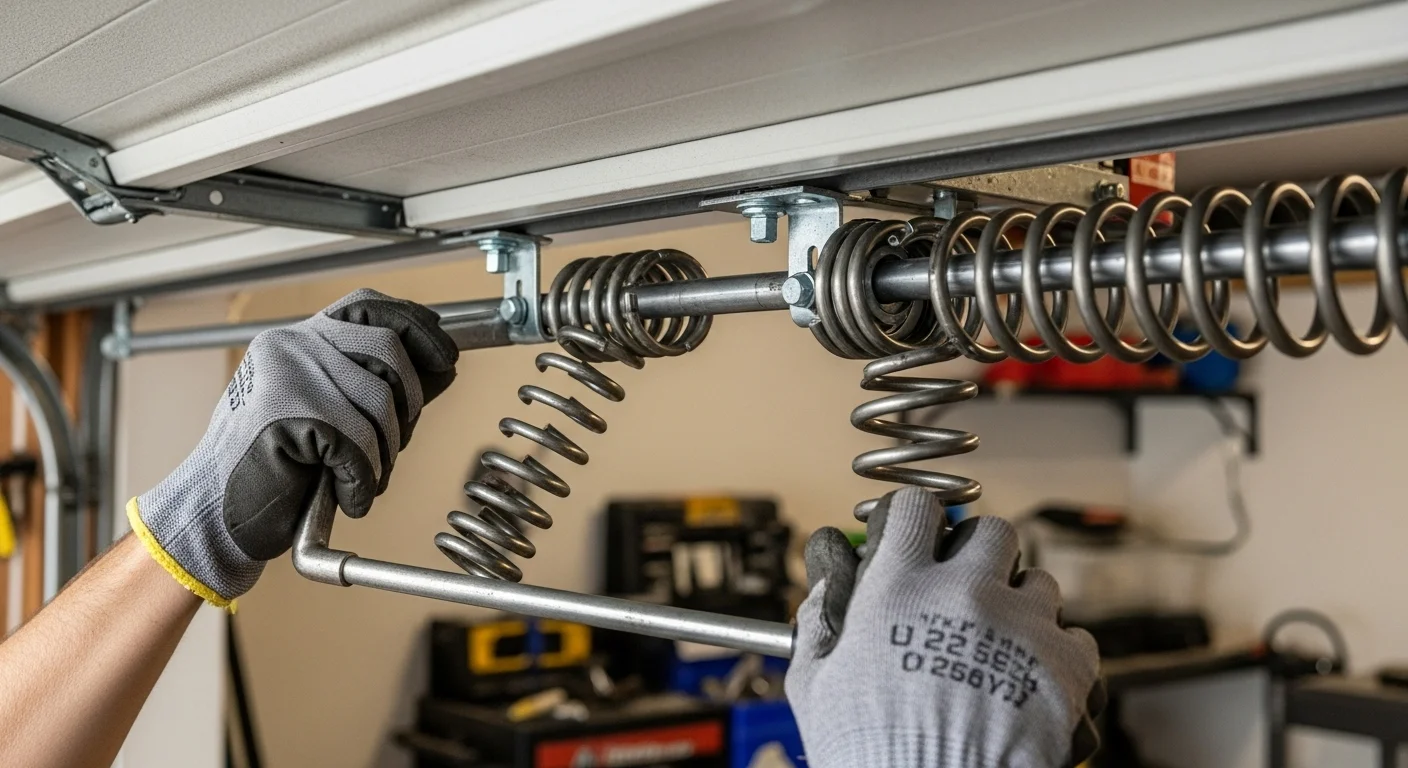
Yes, you can retrofit your current garage door to add insulation. However, the insulation kits rarely produce the durability, look, or effectiveness of a garage door that’s been professionally sealed by the manufacturer. Furthermore, adding insulation material to a garage door can throw off the balance and weight requirements of the garage door springs and cause additional repairs or replacement to be necessary.
Does an insulated garage door help reduce the amount of street noise entering the home?
Yes, the heavy-duty polyurethane or polystyrene used inside an insulated garage door makes a good sound barrier that significantly minimizes traffic noise from neighboring streets, and reduces noise levels associated with the barking dogs or loud wind in the neighborhood.
How often should a garage door system be serviced by professionals?
To keep a garage door operating smoothly, prolong its life, and that of the springs, rollers, and automatic opener, have an expert garage technician service your garage door at least once per year.